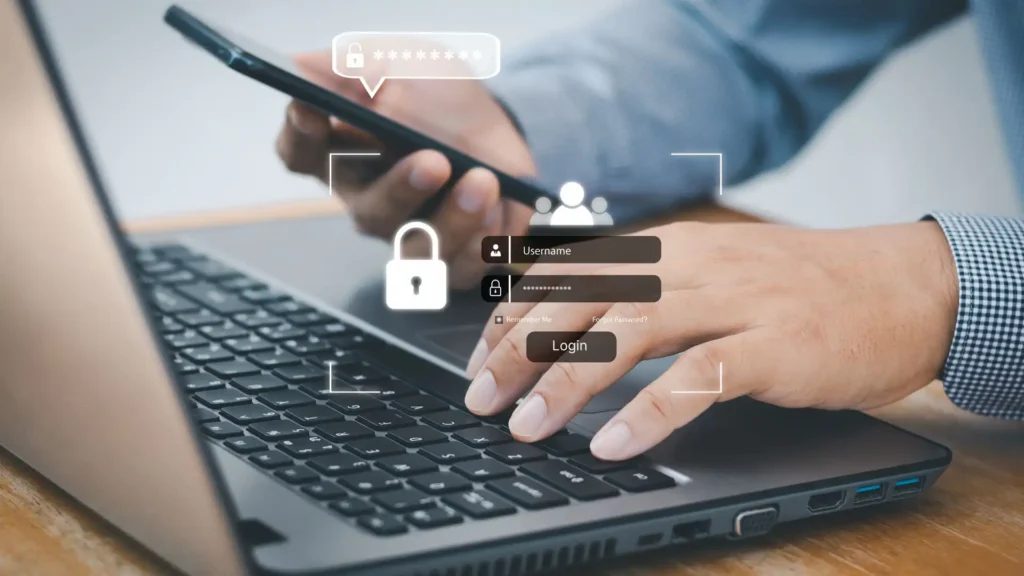
Two-factor authentication or 2FA, is a security measure that requires users to provide an additional layer of authentication before accessing a protected system or information. This extra layer helps to ensure that only authorized users can access sensitive data or systems, reducing the risk of unauthorized access or cyber-attacks.
Counting historical accounts talking about the concept of authentication, it can be traced back to ancient Greece, where the use of metrologies, such as weights and measures, helped to ensure the accuracy and reliability of transactions. In this digital age, 2FA serves a similar purpose by requiring an additional layer of authentication beyond just a password when accessing protected systems or information.
The safety, Let’s Talk about it!
Improved security: By requiring users to provide an additional form of authentication, 2FA helps to prevent unauthorized access to systems and data. It can help to protect against cyber-attacks, data breaches, and other security threats.
Enhanced user convenience: 2FA can be implemented in various ways, including using security tokens, mobile apps, or biometric authentication. It can make it easier for users to access systems and data, as they have multiple options for authentication
Greater compliance: Many regulatory and industry standards now require 2FA to protect sensitive data. Implementing 2FA can help organizations meet these requirements and avoid potential fines or penalties
Reduced risk of data breaches: With 2FA in place, even if an attacker can obtain a user’s login credentials, they will still be unable to access protected systems or data without the additional authentication factor. This can significantly reduce the risk of data breaches and other security incidents.
Where and how! Oh. So. Secure
We at Innefu developed and curated one of the best solutions in the market to enhance, organize and manage.
We built it with everything in mind, starting with Remote Server Logins, Web Applications, Cloud Infra And Corporate Email. We got you; We are even beyond the Obvious, Securing VPNs, Windows logins, ERP Solutions and even WIFI systems.
Loking more into it, Two Factor Authentication, also known as 2FA, is a security measure that requires an additional layer of protection beyond just a password when logging into a remote server. This can include using a code sent to a mobile phone or a physical device, such as a security key, to confirm the user’s identity.
Using 2FA for remote server logins offers several benefits to organizations. Firstly, it helps to protect against unauthorized access to sensitive information. If a hacker were to obtain an employee’s login credentials, they would still need to bypass the 2FA step to access the server. This added layer of security makes it much harder for unauthorized individuals to access sensitive data.
In addition, 2FA helps to protect against phishing attacks, a standard method used by hackers to obtain login credentials. By requiring an additional step for authentication, it becomes more difficult for hackers to trick employees into revealing their login information.
Overall, implementing 2FA for remote server logins is a simple and effective way to enhance security and protect against unauthorized access to sensitive data.