The Rise of Facial Recognition in Modern Policing
The way police identify and track suspects has transformed dramatically over the past decade. What once relied on manual mugshot comparisons and witness memory has evolved into a sophisticated AI-powered ecosystem.
Facial recognition has become a cornerstone of this digital transformation, seamlessly integrated into CCTV networks, drones, mobile applications, and investigative databases. From scanning crowded public spaces to verifying identities at border checkpoints, it empowers officers with rapid, data-driven insights.
Across the world, from India’s NCRB-led initiatives to deployments by the Metropolitan Police (UK) and FBI (US), facial recognition is enabling faster crime detection, smarter surveillance, and stronger border control.
Let’s explore how law enforcement agencies are leveraging this technology to detect, deter, and solve crimes in real time.
How Facial Recognition Works in Law Enforcement
While the concept seems simple, the process behind facial recognition involves several layers of AI-driven precision.

Here’s how it works in policing environments:
Image Capture
Data is collected from CCTV feeds, police body cameras, drones, or citizen databases such as passport and driving license systems.
Face Detection
AI algorithms isolate human faces from video frames or images, filtering out non-relevant visuals.
Feature Extraction & Matching
Each face is converted into a unique mathematical representation, a “faceprint.” This digital signature is compared against watchlists or known criminal databases for matches.
Verification & Action
Matches are validated by human analysts before alerts or field actions are triggered, ensuring accountability and accuracy.
Modern systems use deep learning to recognize faces across varying angles, lighting conditions, or partial obstructions, achieving far greater accuracy than early-generation software.
Platforms like Innefu’s AI Vision exemplify this evolution, combining video analytics, real-time facial recognition, and intelligent alerting to support agencies in surveillance, investigations, and threat monitoring.
Core Applications of Facial Recognition in Policing
Facial recognition has evolved from an experimental technology into a trusted operational ally for modern law enforcement. No longer confined to laboratories or pilot projects, it now powers real-time decision-making across city grids, airports, and national security networks. Its strength lies in converting faces, often the most fleeting pieces of evidence, into actionable intelligence.

Below are the most impactful and widely adopted applications transforming policing around the world:
1. Suspect Identification & Tracking
Every investigation begins with a lead, often a blurry CCTV frame or a grainy image from a bystander’s phone. Facial recognition turns such fragments into breakthroughs.
By matching captured faces against criminal databases and watchlists, police can identify suspects within seconds, even across thousands of live feeds.
In large cities, integrated systems automatically flag repeat offenders, wanted individuals, or those on surveillance lists as they appear in camera footage. This has shifted investigations from reactive review to proactive detection.
Impact: Instead of manually reviewing hours of footage, officers now receive instant, data-backed alerts. The result is faster lead generation, higher accuracy in suspect matching, and a greater rate of solved cases.
2. Locating Missing Persons
Few operations are more time-sensitive than tracing a missing person. Facial recognition plays a crucial role in these missions by scanning live video streams, CCTV networks, and social media videos to detect individuals who match registered photographs.
In India, the Delhi Police’s facial recognition initiative became a landmark success story, helping trace over 3,000 missing children and adults within months with the help of Innefu’s AI Vision. The system continuously scans footage from public places, transport hubs, and surveillance grids to find matches with missing persons databases.
This capability transforms search operations from a citywide needle hunt into a precise, technology-driven pursuit.
3. Crowd Surveillance and Event Security
Managing public gatherings — be it protests, political rallies, or sports events, requires awareness that’s both comprehensive and immediate. Facial recognition enhances this by providing real-time crowd scanning and alert systems.
When integrated with city surveillance or drone feeds, it can instantly flag persons of interest, known troublemakers, or suspects under watch as soon as they appear in a monitored area.
This proactive visibility allows agencies to prevent security incidents before they unfold, rather than reacting after the damage is done.
During high-profile events, such as state visits or festivals, these systems act as an invisible safety net — silently scanning crowds to keep both citizens and officers safe.
4. Cross-Border and Airport Security
Borders are often the frontline of national security — and identity verification at scale is a monumental challenge. Facial recognition now plays a decisive role in automated immigration, customs, and visa control systems.
By matching traveler faces with passport, visa, and criminal databases, authorities can instantly flag forged documents, dual identities, or individuals on global watchlists.
Airports in countries like the US, UK, Singapore, and India are increasingly adopting automated e-gates powered by facial biometrics to enhance both speed and security.
Beyond convenience, this ensures that national borders remain resilient against identity fraud, infiltration attempts, and cross-border crime.
5. Digital Forensics and Post-Incident Investigation
Even after a crime has occurred, facial recognition continues to serve as a powerful investigative ally. Analysts can run facial scans across archived video footage — reconstructing the suspect’s movements, verifying alibis, or identifying accomplices.
In complex cases, this capability has been instrumental in placing suspects at specific times and locations, thereby strengthening the evidentiary chain in court.
When synchronized with video timelines, GPS coordinates, and communication data, facial recognition turns raw footage into a forensic narrative — helping investigators see what truly happened.
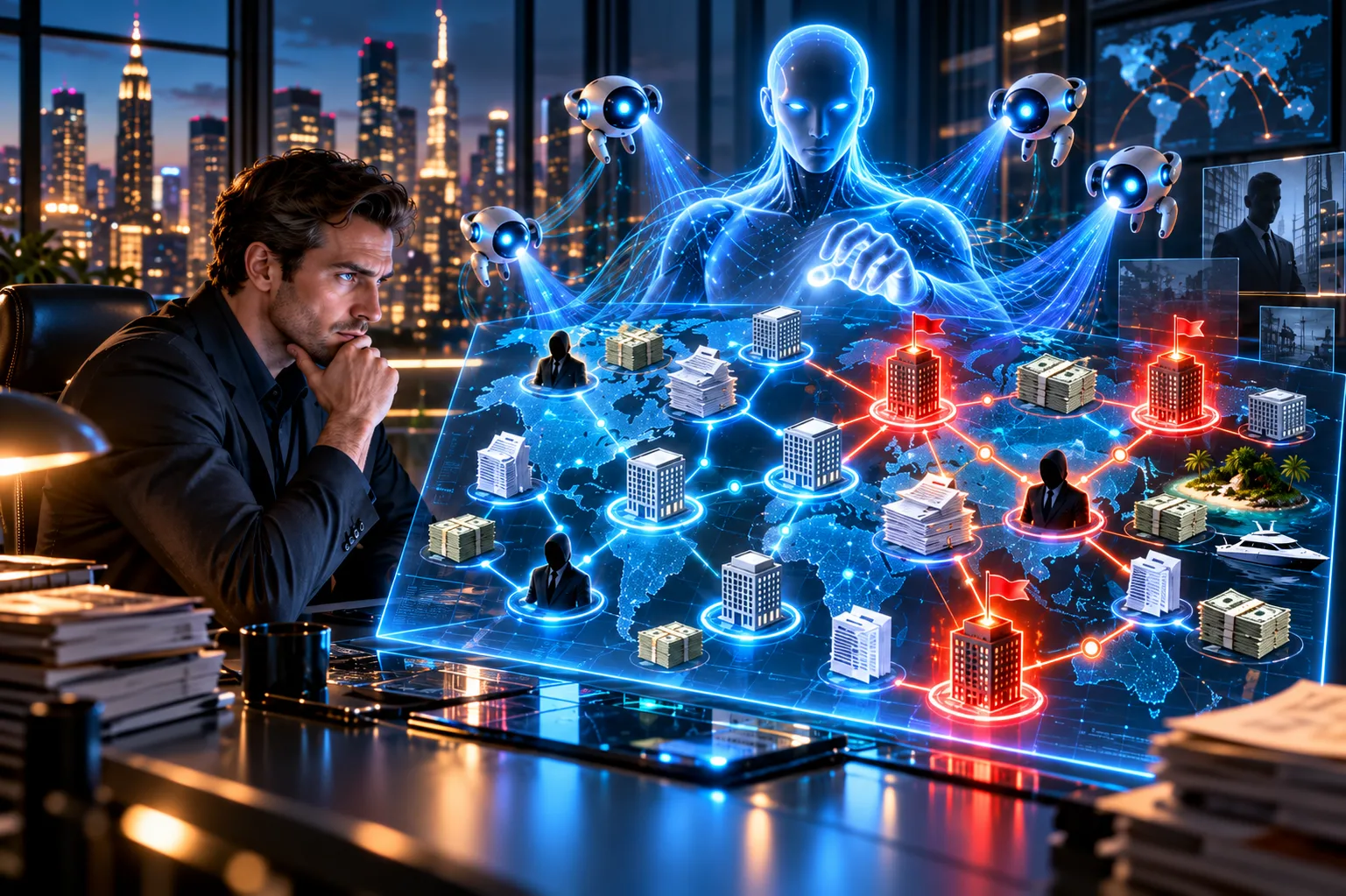
6. Criminal Network Analysis
Modern policing isn’t just about identifying one suspect — it’s about uncovering the network behind them.
Facial recognition contributes to this by tracking repeated appearances of the same face across different cameras, dates, and geographies.
When these occurrences are fused with call detail records (CDR), geolocation trails, or OSINT insights, investigators can identify association patterns, meeting points, and network hierarchies.
This multi-layered view transforms scattered surveillance into structured intelligence — revealing how individuals, locations, and events connect within larger criminal ecosystems.
From city streets to borders, from forensic labs to field operations, facial recognition has become a quiet but decisive force multiplier for law enforcement. It enhances visibility, speeds up decision-making, and strengthens the intelligence fabric that underpins modern policing.
Each face detected isn’t just data – it’s a potential lead, a missing link, or a life saved through timely insight.
Integrating Facial Recognition with Broader Policing Ecosystems
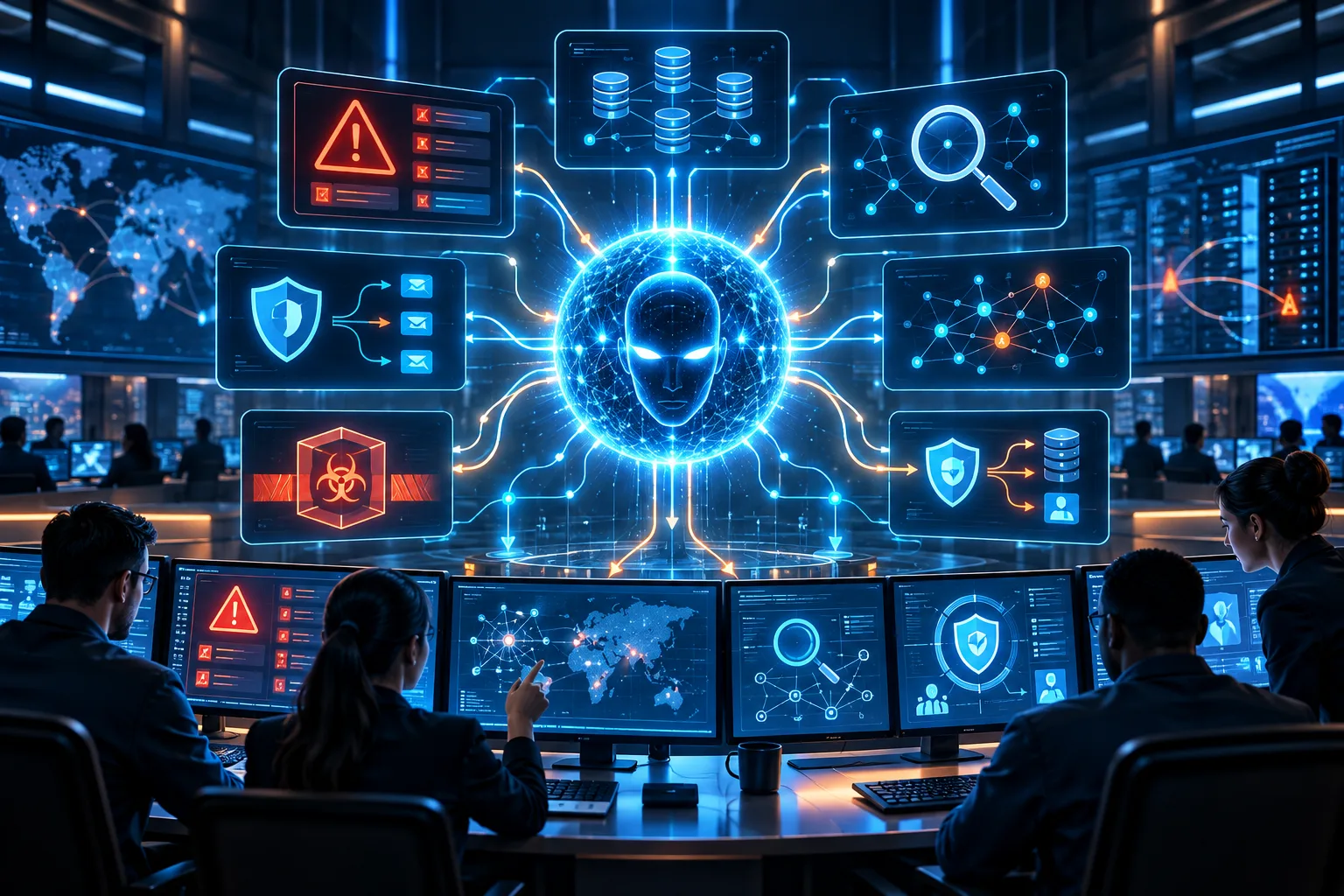
Facial recognition delivers the greatest value when embedded within a unified intelligence framework. Instead of working in isolation, it now forms a key layer in multi-source law enforcement systems.
It integrates with:
- Video Analytics Platforms (AI Vision): For real-time crowd behavior, motion detection, and object analysis.
- Predictive Policing Systems (Prophecy Alethia): Correlating facial data with historical crime patterns and hotspot analysis.
- Communication Analysis Tools (Intelelinx): Linking recognized faces to phone records and digital communications.
- OSINT Platforms (Innsight): Cross-referencing identities from public and open-source data.
By fusing facial recognition with behavioral, geospatial, and open-source intelligence, agencies can move from reactive policing to a proactive, intelligence-led model.
This integrated approach shortens investigation cycles, reduces field ambiguity, and enables real-time threat prediction, empowering faster and more coordinated responses.
Benefits of Facial Recognition in Law Enforcement
Facial recognition offers tangible, mission-driven advantages for police agencies and homeland security organizations.

Key Benefits:
- Rapid Identification: Instantly matches individuals across large video networks, saving crucial investigation hours.
- Operational Efficiency: Automates manual review and data correlation, freeing up officer bandwidth.
- Real-Time Alerts: Detects and notifies authorities when suspects appear in monitored zones.
- Improved Accuracy: Reduces human error in photo line-ups and visual comparisons.
- Enhanced Public Safety: Identifies threats or persons of interest before incidents escalate.
- Scalable Deployment: Operates seamlessly across thousands of cameras and multiple databases.
- Forensic Support: Enables timestamped facial evidence admissible in legal proceedings.
- Institutional Memory: Builds a persistent record of known identities and behavioral histories.
Solutions like Innefu’s AI Vision bring these benefits together under one secure, on-premise ecosystem, merging facial recognition with object tracking and behavioral analytics for 24/7 situational awareness.
Conclusion
From identifying suspects in real time to reconstructing events post-incident, facial recognition has emerged as a vital component of modern policing.
When combined with AI-powered analytics and multi-domain data fusion, it transforms law enforcement from reactive response to predictive intelligence.
The strength of tomorrow’s policing lies not just in surveillance, but in the ability to turn every digital face into a lead for public safety.