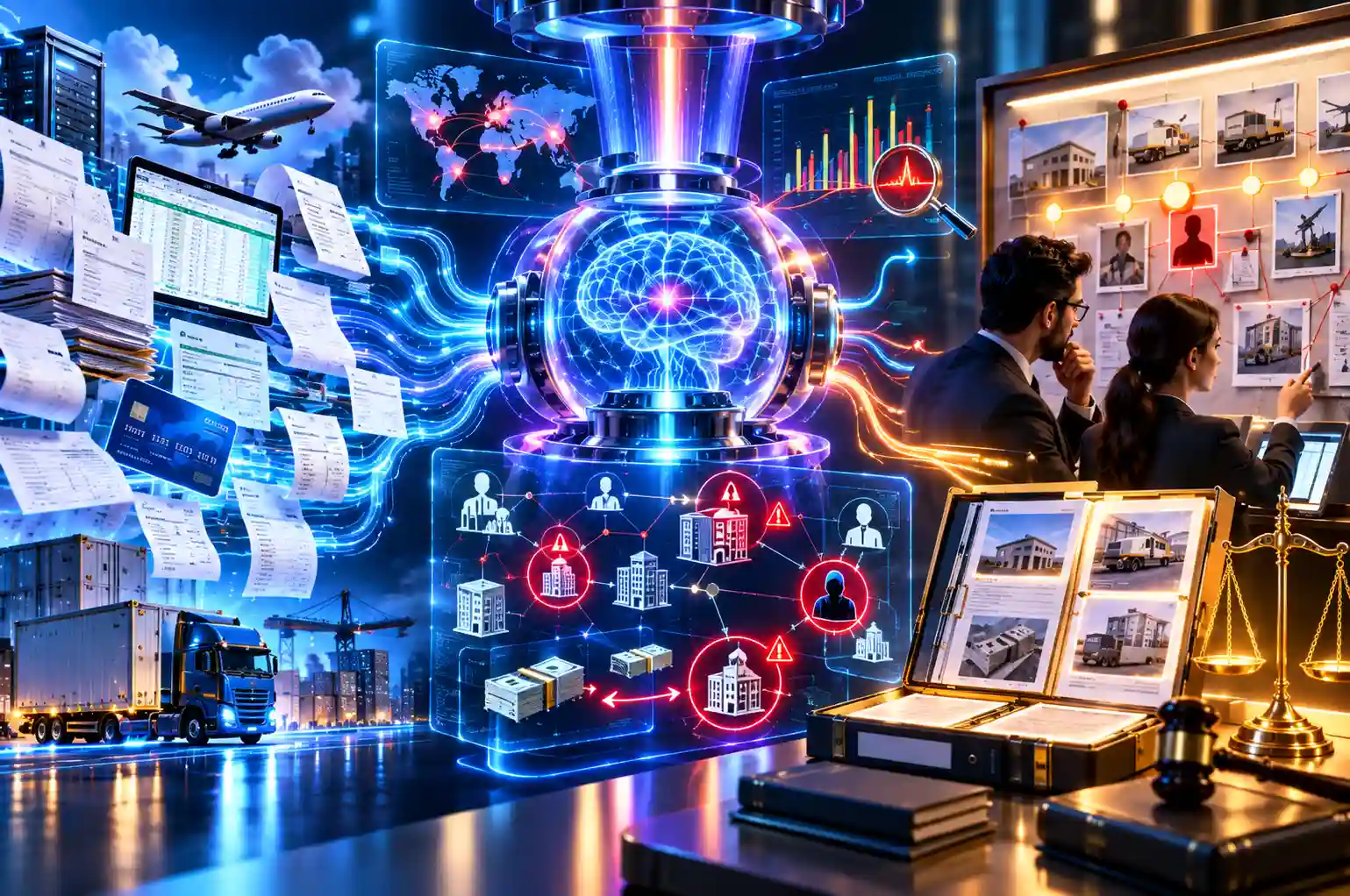
In high-stakes environments where time is critical and situational awareness is paramount; traditional CCTV systems fall short. Watching hours of footage after an incident occurs simply doesn’t cut it anymore, especially for law enforcement and defence agencies tasked with proactive threat mitigation and rapid response.
This is where the integration of facial recognition with intelligent video analytics emerges as a game changer.
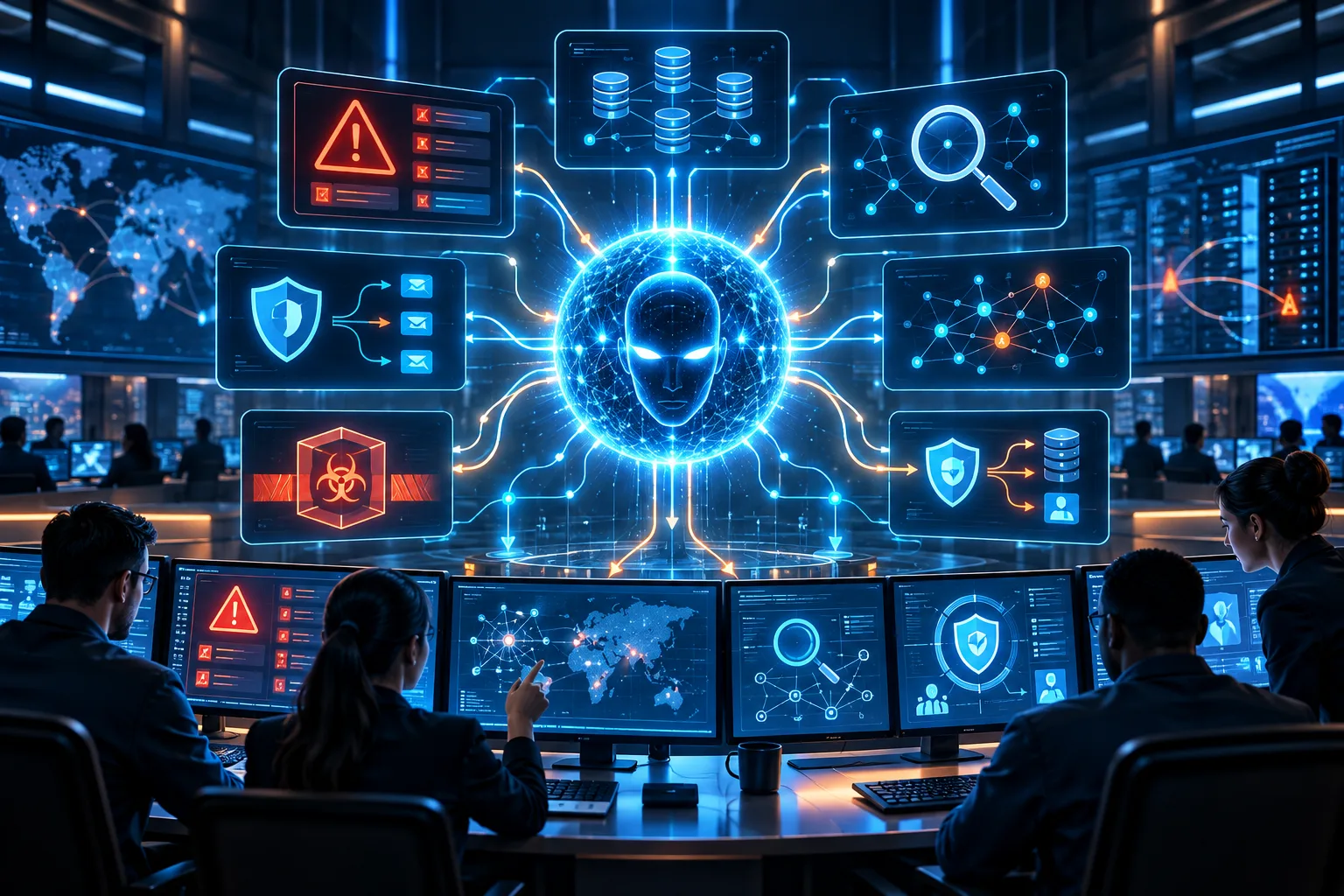
Far from isolated capabilities, these technologies work in tandem, automatically scanning live feeds, identifying persons of interest, detecting high-risk behaviors, and delivering actionable alerts in real time.
Whether it’s identifying an armed suspect in a crowded railway station or detecting loitering near a restricted defence perimeter, the combined force of face intelligence and contextual video analytics offers unmatched operational leverage.
From Raw Feeds to Real-Time Intelligence
The Evolution of Surveillance
Legacy surveillance systems were built to record, not to respond. Operators had to rely on manual review, slow, error-prone, and reactive by nature.
Modern AI-powered systems are different. They are built to see, think, and alert.
Facial recognition, while often the highlight, is just one layer in a multilayered security framework that includes:

- Object detection (weapons, baggage, smoke/fire)
- Crowd behavior analysis
- Boundary violations (tripwires, trespassing)
- Face attribute detection (face masks, occluded faces)
- Scene enhancements (dehaze, deblur, perspective correction)
Together, these features transform passive camera grids into responsive, intelligent security networks.
Face as a Key, But Not the Only One
Facial recognition has received considerable attention for its ability to pinpoint identities, but in isolation, it is not enough.
Here’s why the real power lies in combining it with broader video analytics:
1. Suspect Identification in Crowds
Even with partially obscured faces (due to masks, caps, or low angles), AI-enhanced facial recognition powered by occlusion handling and angle correction allows real-time detection from live CCTV feeds, critical in public gatherings, protests, or mass transit environments.
For a deeper look into how facial recognition works under the hood, Refer to this blog – Facial Recognition System: Technology, Applications, and AI-Driven Innovation.
2. Behavioral Threat Detection
Facial recognition might identify a known criminal, but what about a person loitering near a defence compound for 30 minutes without a clear purpose? Or someone placing a bag under a bench and walking away?
AI-driven behavioral analytics track such micro-patterns and raise alerts before incidents escalate.
3. Scene Correction for Forensics
When investigating a blast site or crime scene, video clarity can be the difference between evidence and noise. With AI-powered deblur, dehaze, and perspective correction, agencies can enhance low-quality footage and extract reliable forensic insights, even from distant or distorted angles.
Real-World Scenarios: What It Looks Like in Action
Face Mask Detection in Pandemic or Riot Situations
During civil unrest or health emergencies, suspects often use masks for concealment. AI systems trained on occluded face datasets can still recognize partial facial features and compare them with watchlists.
Crowd Density and Anomaly Detection
In defence installations or pilgrimage zones, understanding crowd buildup is key to preventing stampedes, unauthorized congregation, or targeted disruptions. AI in defence estimates density, tracks movements, and alerts when patterns deviate from norms.
Smoke and Fire Detection in Real Time
Early-stage fire detection in tunnels, storage zones, or metro stations ensures emergency teams respond before the situation becomes unmanageable. These alerts are milliseconds faster than human eyes scanning monitors.
Tripwire and Virtual Fencing
Set invisible boundaries near ammunition depots, embassy walls, or checkpoints. If someone crosses, alerts are triggered instantly, even in low-light or foggy conditions.
Loitering and Suspicious Activity Detection
Is someone lingering unusually long in a secure zone? Video analytics learns typical dwell times and flags anomalies. Great for border zones, intelligence offices, or weapons storage sites.
Weapon Identification
AI can be trained to recognize pistols, rifles, or even concealed bulges that hint at armed threats, immediately notifying ground personnel or triggering lockdown protocols.
Integration is the Real Hero
No matter how powerful the algorithms, without proper integration, intelligence gets lost in silos. A truly impactful system must:
- Seamlessly plug into existing CCTV networks (IP or analog)
- Offer real-time dashboards for command centers
- Enable mobile alerts for ground forces
- Maintain audit trails for post-event review
Platforms like AI Vision are designed with these real-world constraints in mind, ensuring AI doesn’t replace humans, but empowers them.
Built for Boots on the Ground
AI-powered facial recognition and video analytics aren’t just “nice-to-have” features. They’re now essential in the arsenal of any agency dealing with public safety, national security, or battlefield awareness.
Whether you’re in a state police HQ managing citywide surveillance or a defence officer monitoring critical border crossings, these tools:
- Reduce decision time to seconds
- Turn footage into evidence with forensic-grade precision
- Prevent threats before they happen, not after the damage is done
Final Thoughts: Moving from Watchfulness to Wisdom
Surveillance without intelligence is just observation. But with AI-led facial recognition and video analytics working in harmony, agencies can move from merely watching to truly knowing and responding.
It’s not just about seeing more, it’s about seeing smarter.
Ready to see what integrated AI surveillance can do for your force? Request your personalized AI Vision demo today.