When Information Exists, but Can’t be Found
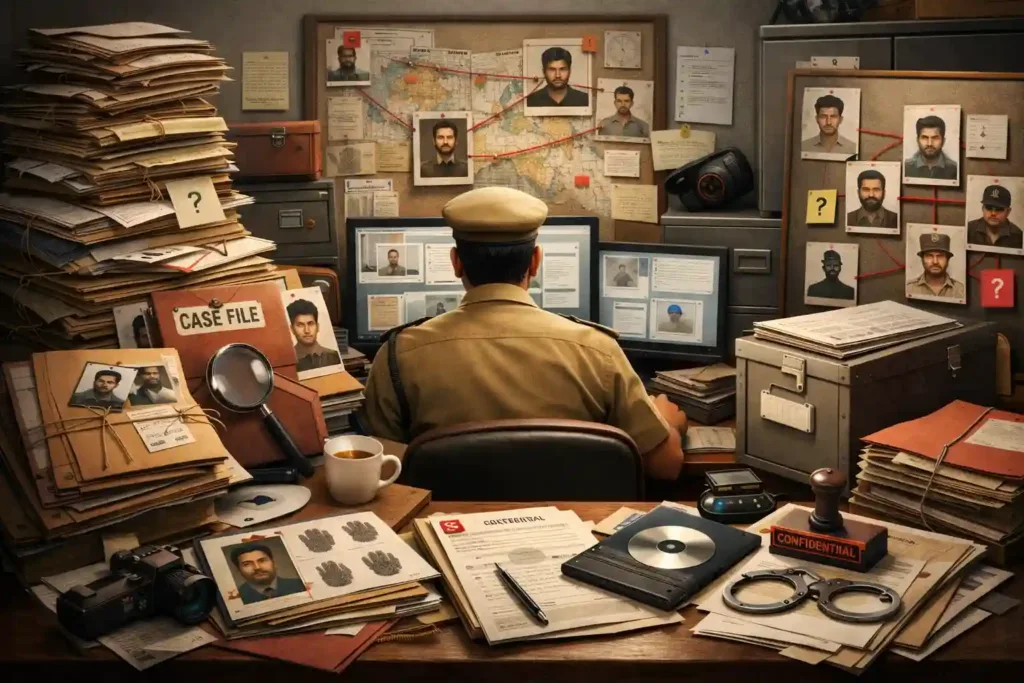
Investigations rarely slow down because information is missing. More often, they slow down because the information exists, but cannot be found when it’s needed most.
A suspect has appeared before. A name sounds familiar. A location feels connected to an earlier case. Yet confirming that intuition means searching through folders, files, registers, or systems that were never designed to speak to each other.
Over time, investigations accumulate:
- Multiple dossiers
- Across different cases
- Handled by different units
- Spread over months or years
What investigators end up with is not a lack of intelligence, but a lack of visibility.
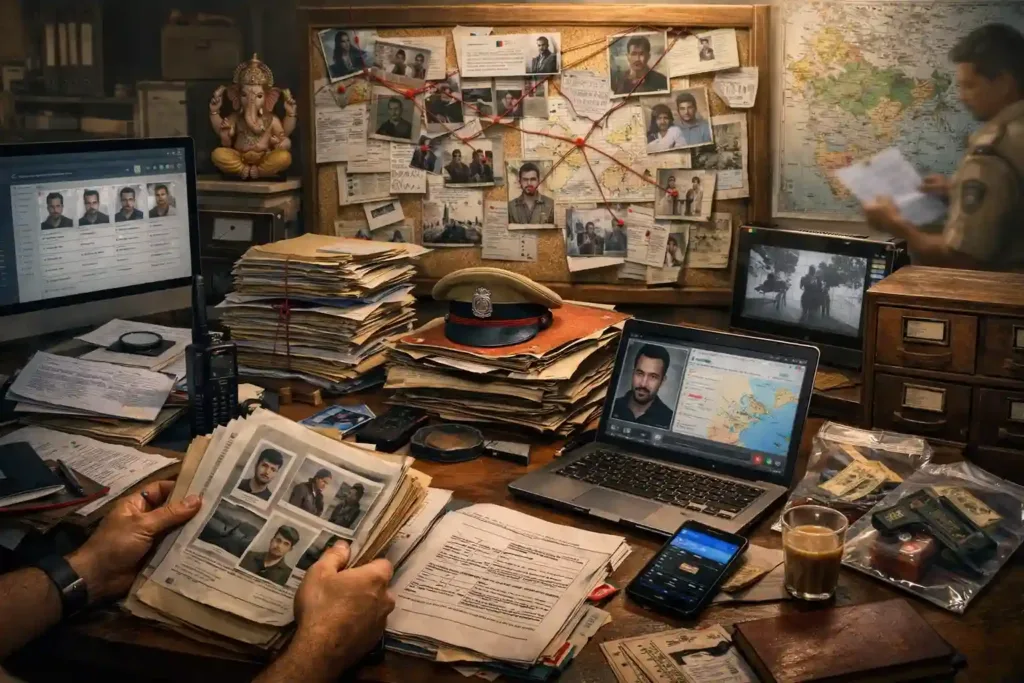
There is no single view that brings together interrogation reports, case histories, and contextual details. Instead, intelligence is scattered across formats, locations, and ownership boundaries.
The result is a familiar frustration:
Critical information exists, but reaching it takes time, time investigations often don’t have.
When this happens, investigations slow down, not because officers lack skill or effort, but because intelligence lacks structure.
Key Takeaways
- Investigations often slow down not due to lack of data, but because intelligence is fragmented.
- Dossiers organised around cases instead of suspects hide connections and delay pattern recognition.
- Fragmentation leads to repeated work, investigative fatigue, and loss of momentum.
- Long-running cases suffer most when historical context is lost during team transitions.
- Structuring interrogation intelligence enables faster decisions without compromising depth.
- When intelligence flows across cases and teams, investigations compound instead of restarting.
What Fragmented Dossiers Look Like in Real Investigations
Fragmentation doesn’t usually happen overnight. It builds gradually, through perfectly reasonable procedures that were never designed for long-term intelligence reuse.
In real investigative environments, fragmentation often looks like this:
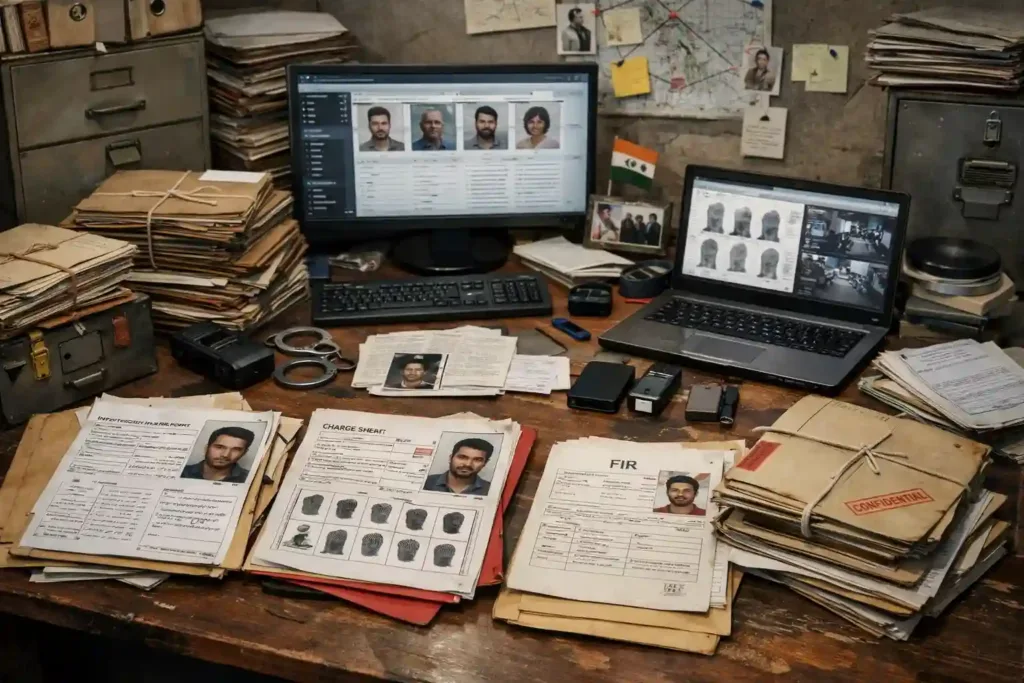
- Interrogation reports stored per case, not per suspect: A person interrogated in multiple cases generates multiple dossiers, none of which are easily connected.
- Separate files for FIRs, interrogation notes, and chargesheets: Each document exists in its own silo, requiring manual cross-referencing to see the full picture.
- A mix of physical files, scanned PDFs, and local digital systems: Some information sits in cupboards, some on desktops, some in shared drives, rarely in one place.
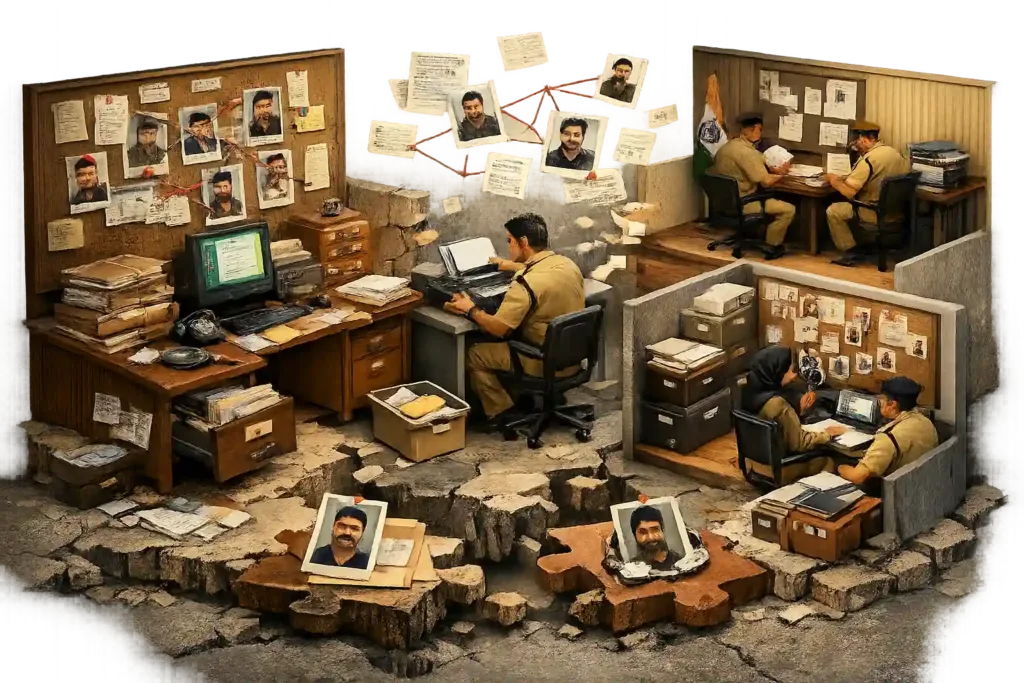
- Data locked within individual units or jurisdictions: What one team knows is not always visible to another, even when cases overlap.
None of this is accidental. Fragmentation is often the outcome of case-centric documentation practices, legacy workflows, and jurisdictional boundaries that prioritise closure over continuity.
Each dossier makes sense on its own. The problem emerges when investigators need to see across dossiers, to trace patterns, revisit history, or connect people and events over time.
That is when fragmentation stops being an administrative inconvenience and becomes an investigative bottleneck.
Why Fragmentation Happens (Systemic, Not Individual Failure)
Fragmented dossiers are not the result of poor investigation or lack of effort. They are a by-product of systems and workflows that were designed to manage cases, not to preserve intelligence across time.
Understanding why fragmentation occurs is essential before attempting to address its impact.
Case-Centric Documentation
Most investigative documentation is organised around cases, not intelligence entities.
Each case generates its own set of files, interrogation reports, statements, annexures, and chargesheets. This structure works well for closing individual cases, but it creates blind spots when intelligence spans multiple investigations.
As a result:
- A single suspect may appear in several cases
- Each appearance creates a separate dossier
- There is no natural mechanism to consolidate these records
The intelligence exists, but it is distributed across case files rather than unified around people, relationships, or patterns.
Manual Processes and Legacy Practices
Fragmentation is reinforced by manual workflows that have evolved over time.
Common realities include:
- One-by-one uploads of dossiers, which discourages consolidation
- Paper-to-digital gaps, where older records remain partially digitised or unindexed
- Corrections requiring rework, forcing officers to locate and amend multiple files manually
These practices make it difficult to maintain consistency across records. Even small updates can require disproportionate effort, increasing the likelihood that data remains incomplete or outdated.
Organisational Silos
Investigations often span districts, units, or departments, each with its own operational boundaries.
While these structures are necessary for administration and accountability, they also result in:
- Limited visibility across departments
- Intelligence being accessible only within specific units
- Parallel investigations progressing without shared context
This siloed environment means intelligence is often locally complete but globally fragmented.
The Direct Impact on Investigation Timelines
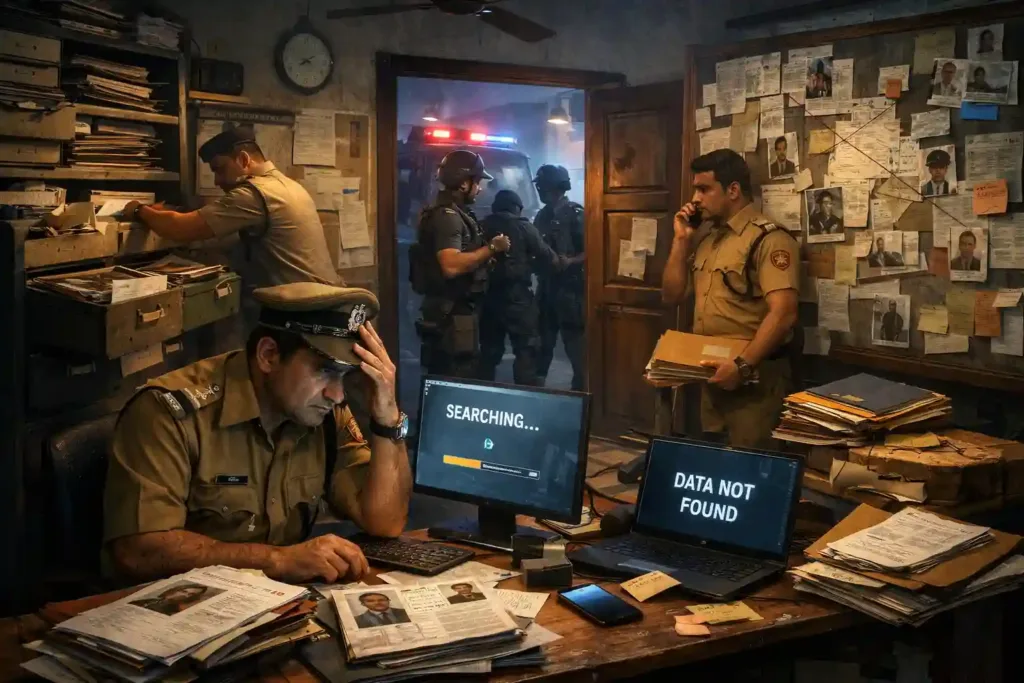
The effect of fragmented dossiers becomes most visible when investigations are active and time-sensitive.
Investigators lose valuable time searching for relevant dossiers, locating past interrogation reports, verifying whether an individual has appeared before, or checking prior case context.
Access to earlier interrogation insights is often delayed, forcing teams to proceed with partial information or pause progress until records are located and reviewed.
This slows hypothesis validation. Leads take longer to confirm or discard because intelligence must be rediscovered rather than immediately referenced.
During critical phases: raids, arrests, or coordinated operations, these delays create bottlenecks. Decisions are postponed, actions are sequenced conservatively, and momentum is lost.
The underlying issue is cumulative:
Every delay compounds when intelligence must be rediscovered instead of reused.
Over time, these incremental slowdowns add up, turning manageable cases into prolonged investigations, not because of complexity, but because intelligence flow is constrained.
Missed Connections and Delayed Pattern Recognition
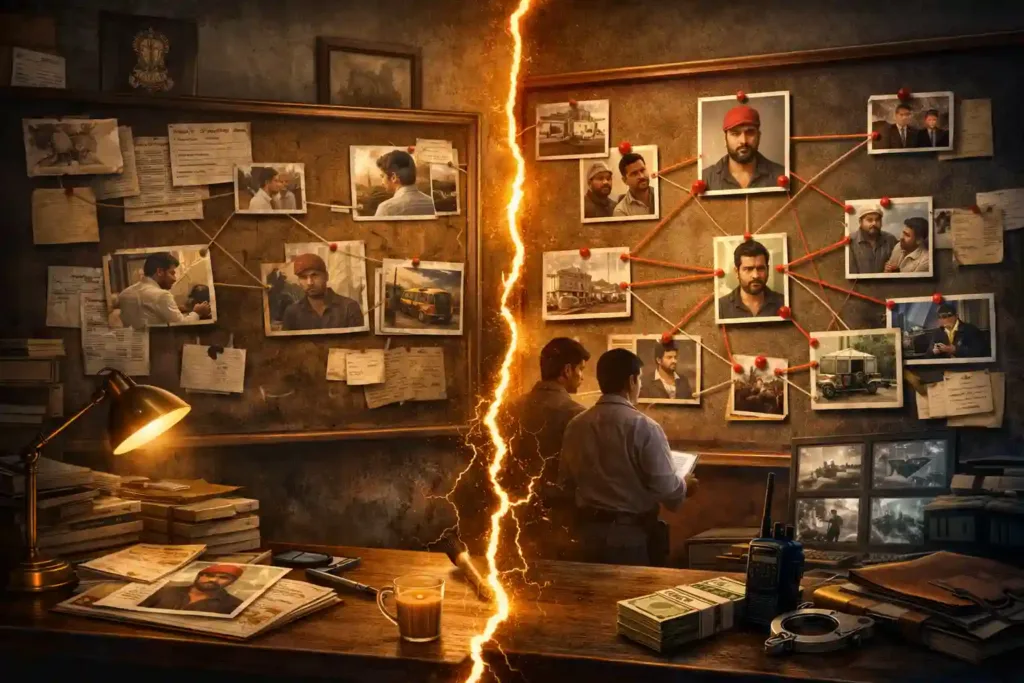
One of the most serious consequences of fragmented dossiers is not delay, it’s blindness.
Across investigations, the same names, locations, or behaviours often appear repeatedly. But when interrogation reports and case files remain disconnected, these repetitions go unnoticed.
A suspect questioned in one case may surface again months later in another. An associate mentioned casually during an interrogation may reappear in a separate investigation. Without consolidation, these signals remain buried in separate dossiers, never triggering attention.
This is why links between suspects often emerge too late. Connections that should have been visible early, shared associates, overlapping timelines, recurring locations, only become apparent after extensive manual review, if at all.
Criminal networks, in particular, thrive in this gap. When data is not connected, networks remain fragmented on paper, even though they are coordinated in reality. What should appear as organised activity instead looks like isolated incidents.
The key point is simple:
Patterns don’t disappear, they stay hidden.
Fragmentation doesn’t erase intelligence. It prevents it from forming.
Repeated Work and Investigative Fatigue
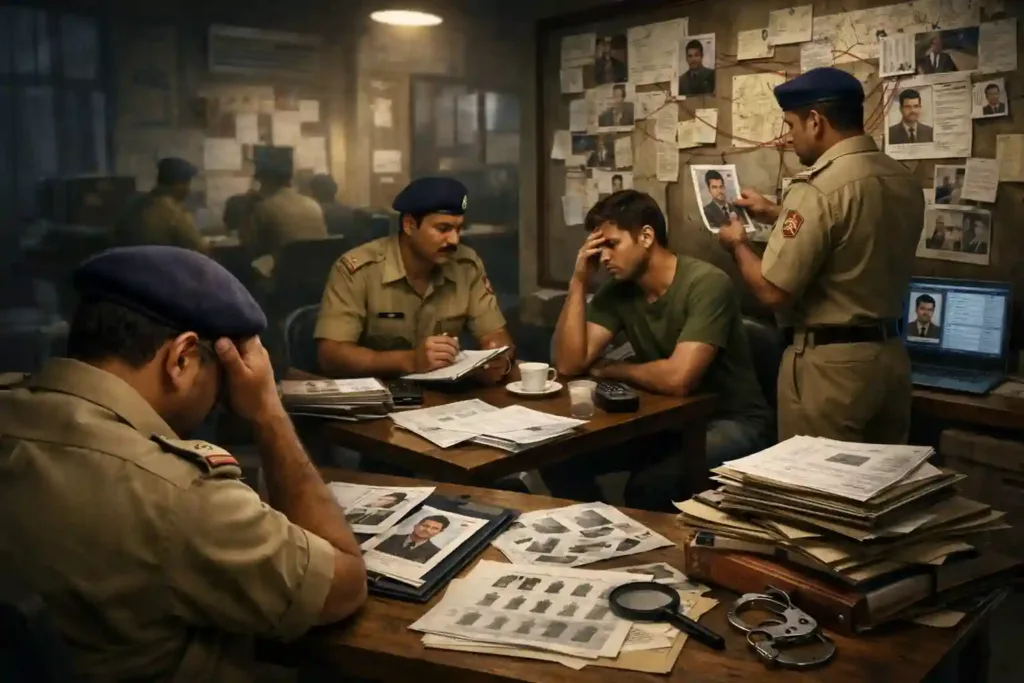
Fragmentation also places a quiet but persistent burden on investigators themselves.
When prior interrogation data is difficult to access, teams often end up re-interrogating the same individuals, unaware that similar questions were already asked elsewhere. Statements are repeated. Context is reconstructed. Time is spent rediscovering what is already known.
This leads to:
- Asking questions that have already been answered
- Duplicating effort across teams or units
- Repeating background checks and contextual reviews
The impact goes beyond efficiency. Over time, this repetition contributes to:
- Wasted investigative time
- Officer fatigue, especially in high-volume environments
- Reduced momentum, as progress feels incremental rather than cumulative
When effort does not visibly advance understanding, morale suffers. Investigations feel heavier, not because they are more complex, but because work is being redone instead of built upon.
Fragmentation in Long-running and Complex Cases
The effects of fragmentation are magnified in investigations that span years.
Complex cases often outlast their original teams. Officers transfer, are promoted, or retire. New personnel inherit files without the lived context of earlier stages, why certain leads were prioritised, which inconsistencies mattered, or how relationships evolved.
Without a consolidated intelligence view, historical context is easily lost. New teams are forced to piece together understanding from scattered documents, often restarting analysis from scratch.
This creates a recurring cycle:
- Cases pause during transitions
- Intelligence is rediscovered rather than reused
- Progress resets instead of advancing
The key insight is unavoidable:
Fragmented dossiers force investigations to reset rather than evolve.
In long-running cases, continuity is not a luxury. it’s a requirement. When intelligence cannot survive personnel change, investigations lose depth, direction, and time.
From Fragmentation to Structured Intelligence

The impact of fragmentation becomes clear once its opposite is imagined.
When dossiers are unified, investigations change in fundamental ways. Instead of navigating multiple files across cases and units, investigators gain a single, coherent view of intelligence, one that brings together suspects, timelines, and relationships.
Information that once required manual cross-referencing becomes reusable. Interrogation insights from earlier cases can inform new investigations without delay. Context accumulates instead of resetting.
This shift enables:
- A consolidated view of suspects, regardless of how many cases they appear in
- Clearer timelines, showing how events and associations evolve over time
- Visible links, allowing patterns to emerge naturally
Most importantly, decision-making accelerates. Investigators spend less time searching for information and more time evaluating it. Leads are assessed with greater confidence because they are grounded in a fuller intelligence picture.
When intelligence is structured, investigations move from reactive assembly to informed progression.
Why Fixing Fragmentation Improves Outcomes, Not Just Efficiency
While reducing delays is important, the real value of addressing fragmentation lies in better investigative outcomes.
With unified intelligence, investigators exercise stronger judgment. Decisions are based on context rather than fragments, reducing the risk of misinterpretation or missed connections.
Networks are identified earlier, not after patterns become obvious in hindsight. This early visibility allows investigations to shift from chasing incidents to understanding structures.
Case continuity also improves. Long-running investigations retain their depth even as personnel change, because intelligence is preserved beyond individual memory.
Perhaps most importantly, dependency on individual officers’ recall is reduced. Knowledge belongs to the organisation, not to a single desk or tenure.
Fixing fragmentation doesn’t just make investigations faster, it makes them smarter, more consistent, and more resilient.
To Conclude: Investigations Move at the Speed of Their Intelligence
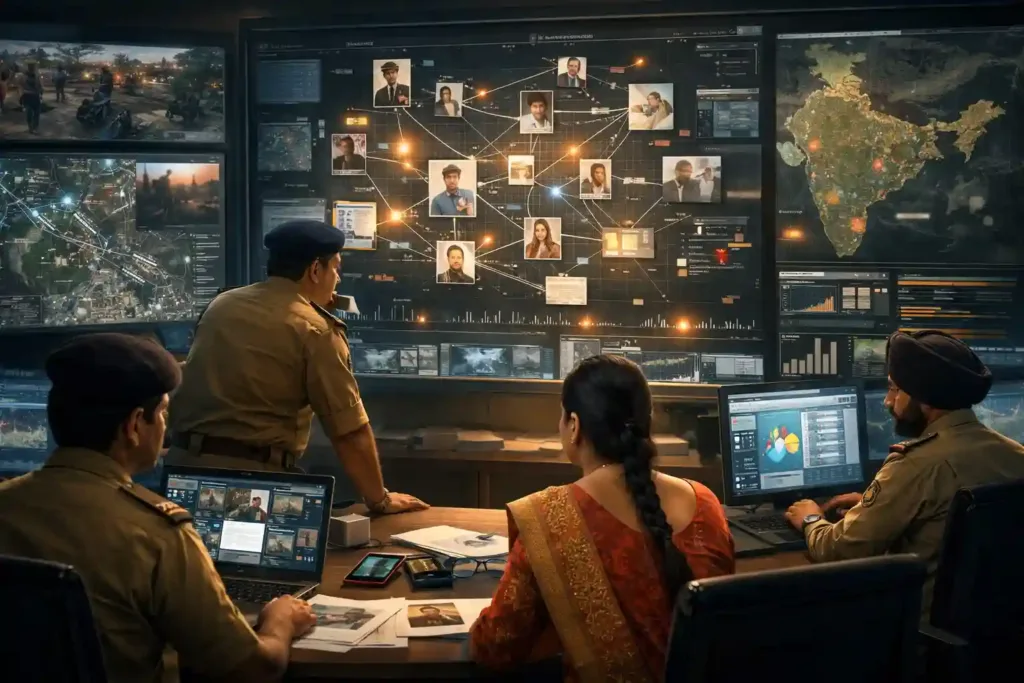
Fragmentation is a structural drag on investigations. It slows progress, hides patterns, and forces teams to rediscover what they already know.
For intelligence to be useful, it must flow, across cases, across time, and across teams. Structure enables that flow.
When dossiers are connected, investigations gain speed without sacrificing depth. Progress compounds instead of restarting. Insight survives personnel change.
When intelligence is connected, investigations move forward instead of starting over.
FAQs – Frequently Asked Questions
1. What does dossier fragmentation mean in investigations?
Dossier fragmentation occurs when interrogation reports, case files, and related records are scattered across cases, formats, or units, making it difficult to view intelligence holistically.
2. How do fragmented dossiers delay criminal investigations?
They slow investigations by increasing search time, hiding links between cases, delaying pattern recognition, and forcing teams to rediscover existing information.
3. Why do suspects often appear in multiple disconnected dossiers?
Most documentation systems are case-centric. When a suspect appears in different cases, their information is stored separately rather than consolidated.
4. How does fragmentation affect long-running investigations?
In long-running cases, fragmentation leads to loss of historical context, especially when officers transfer or teams change, forcing investigations to restart analysis.
5. Does fixing fragmentation only improve efficiency?
No. It also improves investigative judgment, enables earlier identification of criminal networks, strengthens continuity, and reduces reliance on individual memory.
6. Can investigations improve without collecting more data?
Yes. Many agencies already possess extensive interrogation and case data. The key improvement comes from structuring and reusing existing intelligence effectively.