In a narcotics case in Maharashtra, the police filed their chargesheet within the mandatory 90-day window. Procedurally, on time. But the chargesheet was missing one document: the chemical analyst’s report confirming what the seized substance actually was. The Bombay High Court ruled the chargesheet incomplete. The accused walked out on default bail.
The investigation wasn’t sloppy in any obvious way. The arrest was sound, the seizure was real, the timeline was met. One missing document undid all of it.
This is the chargesheet rejection problem in India, and it is bigger than any single case. India’s IPC conviction rate stood at 54.0% in 2023, dropping to 53.3% in 2024, meaning roughly one in two cases that reach trial end without a conviction. For the most serious crimes, the picture is starker: the murder conviction rate was 37.7% and the rape conviction rate was 22.7% in 2023. Sources: Digital Sansad | The New Indian Express
Not every failed case is a weak chargesheet. But a meaningful share of these outcomes trace back to the same root cause: gaps, inconsistencies, or missing evidentiary links in the document that the entire prosecution stands on.
What “Chargesheet Rejection” Actually Means
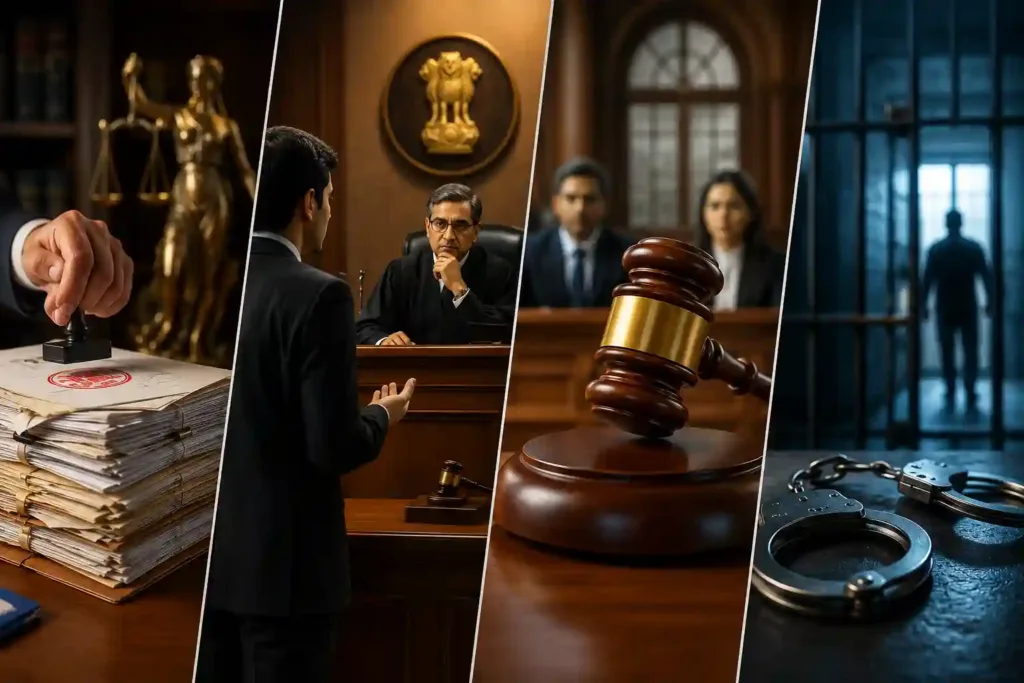
The term gets used loosely, so it’s worth being precise about the four ways a chargesheet’s weaknesses surface in the Indian system.
Returned for further investigation
A magistrate, on reviewing the chargesheet, finds it incomplete, missing forensic reports, absent witness corroboration, unclear evidence chains, and sends it back. As established in Sunil Vasantrao Phulbande v. State of Maharashtra, a chargesheet filed without a required chemical analyst’s report was held incomplete by the Bombay High Court, and the accused was released on default bail as a result. Source: Indian Kanoon
Discharge before trial
The accused applies for discharge, and the court agrees there isn’t enough evidence in the chargesheet to even proceed to trial. The case ends before a single witness is examined.
Acquittal at trial
The chargesheet survives to trial, but the evidence it presents doesn’t hold up, chain of custody gaps, contradictory witness statements, forensic reports that don’t align with the timeline. This is where the conviction rate numbers above come from.
Bail by default
Under the BNSS framework, if a chargesheet isn’t filed within the 60- or 90-day window, the accused is entitled to bail, and a chargesheet filed but later found incomplete can trigger the same outcome, as the Vasantrao case shows.
All four share one upstream cause: the chargesheet didn’t hold together as a complete, internally consistent evidentiary document.
Why Chargesheets Fail, The Real Reasons
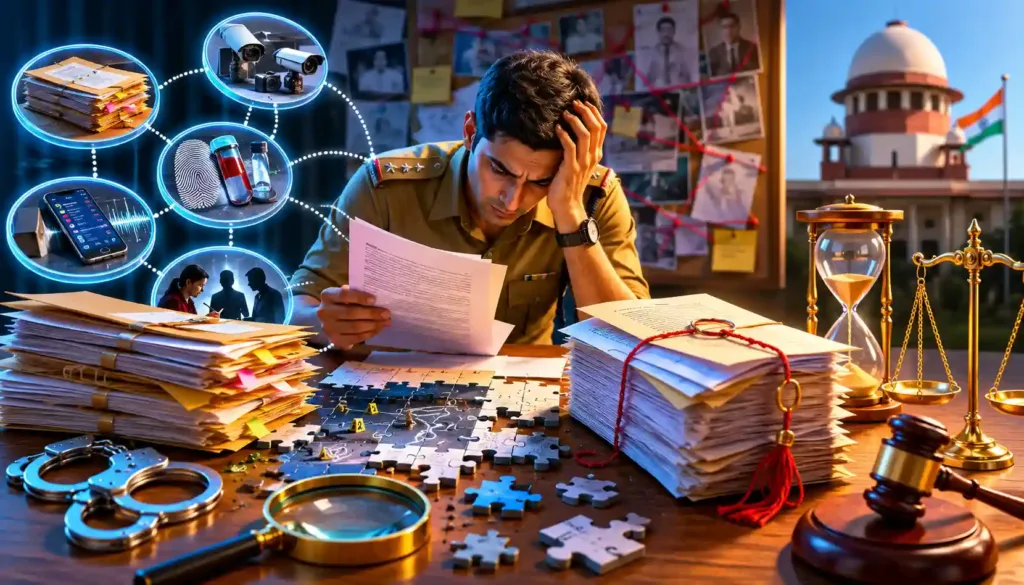
Evidence sits in silos until someone manually stitches it together
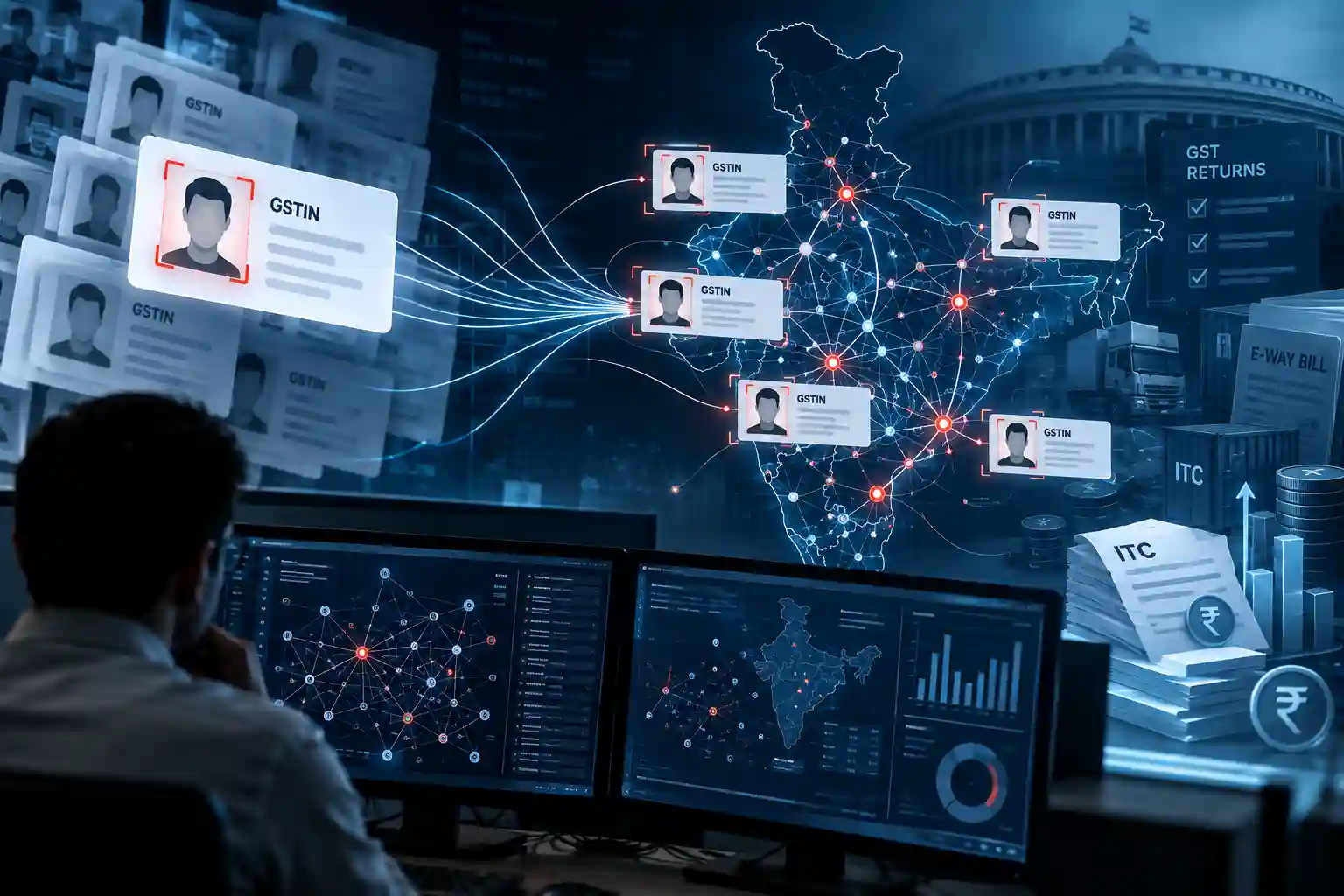
A single case involves FIRs, witness statements, CDR records, forensic reports, and seized-property documentation, each generated separately, each filed separately, each cross-checked against the others only when an investigating officer has the time to sit down and do it. Under time pressure, that cross-checking is often where corners get cut.
Forensic requirements have gotten stricter, not simpler
BNSS mandates forensic investigation for any offence punishable with seven years’ imprisonment or more, requiring forensic experts to visit the crime scene and document the process electronically. This is a genuine improvement for evidence quality, but it also means more forensic documentation has to be correctly collected, correctly recorded, and correctly integrated into the chargesheet than ever before. A missing or mismatched forensic element is now a more common point of failure, not a less common one.
The clock is tighter
BNSS sets a 60-90 day window for filing chargesheets, with a separate 90-day limit for further investigation. These timelines exist for a good reason; they prevent indefinite detention without charge. But they also mean investigating officers are correlating evidence, applying the correct legal sections, and assembling the final document under real-time constraints, with less room to catch an inconsistency before filing.
Nobody stress-tests the chargesheet before the defence does
In most cases, the first person to seriously probe the chargesheet for weaknesses is the defence counsel, after it’s already been filed. By then, any gap they find is a problem for the prosecution, not an opportunity to fix it.
Where AI Fits, As Capability
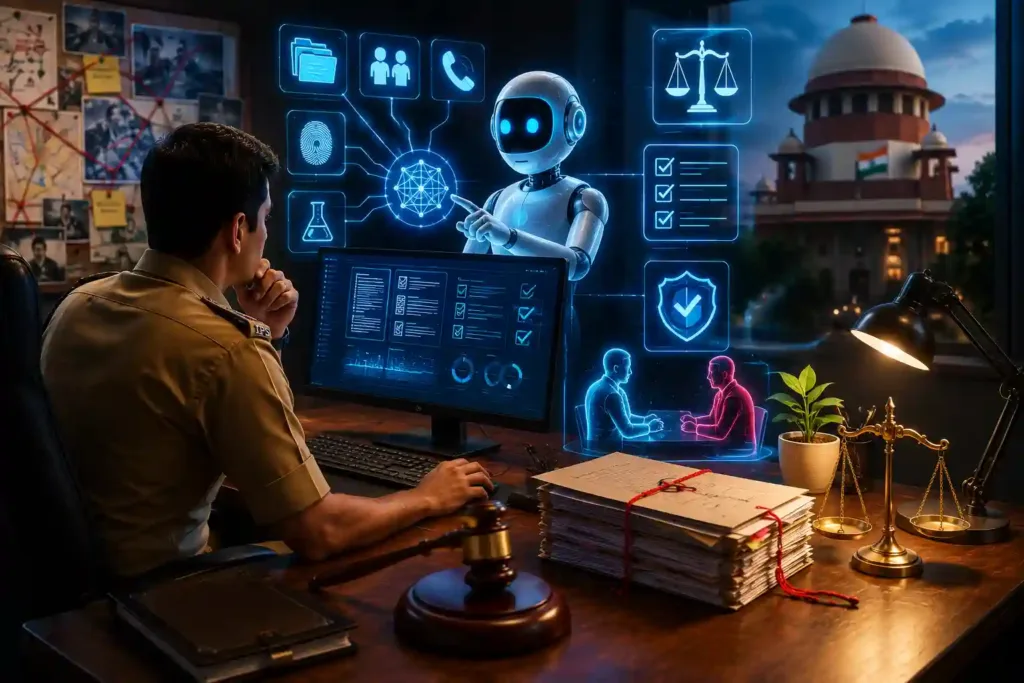
AI is not yet a standard part of chargesheet preparation in Indian police stations. What’s changing is that the specific architecture needed to address these failure points, correlating evidence across sources automatically, and stress-testing a document before it’s filed, now exists as deployable capability – Sarvagata .
Automated evidence correlation across sources
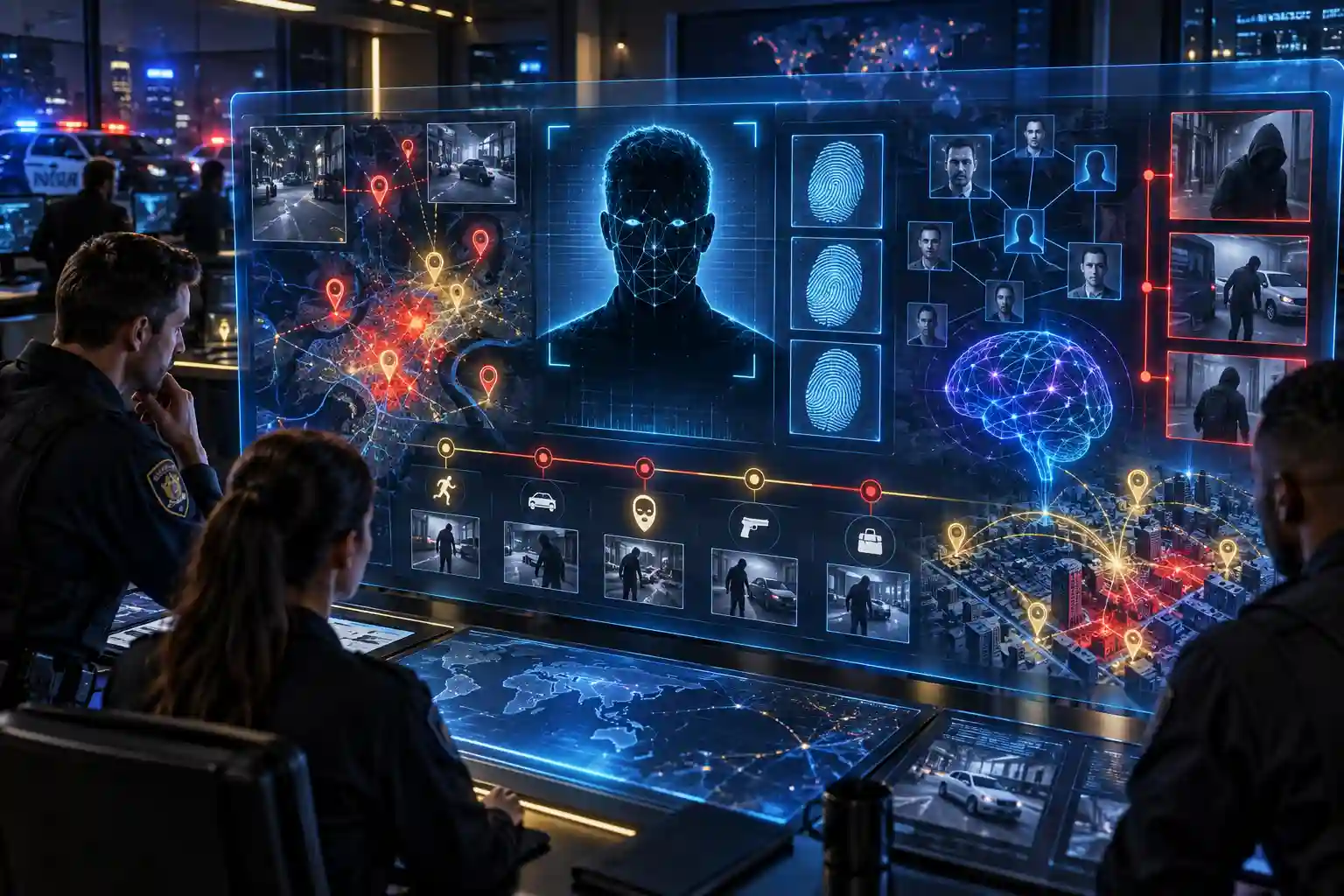
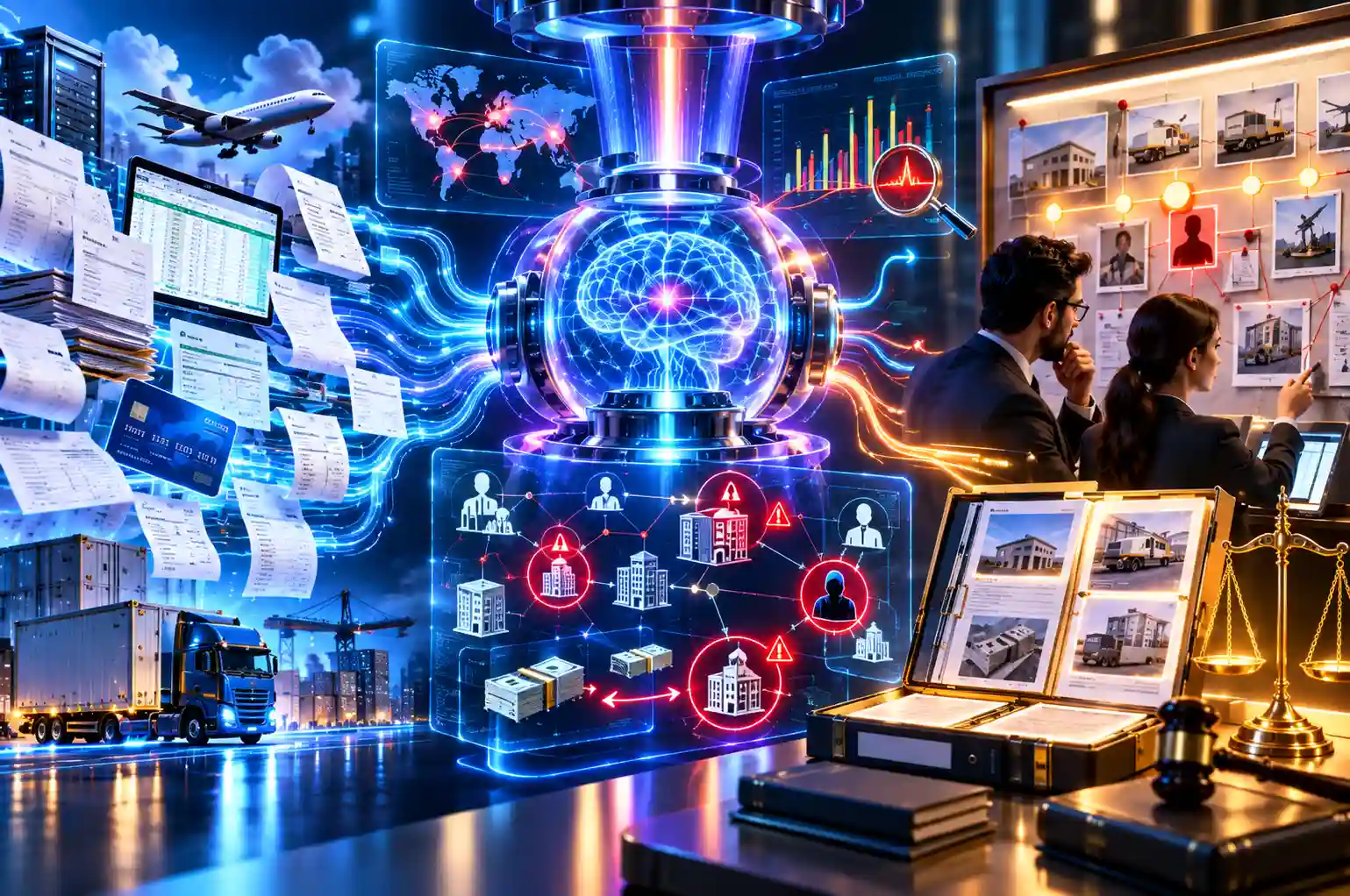
An AI agent assigned to a case can read and cross-reference FIRs, witness statements, CDR records, and forensic reports simultaneously, flagging where two sources contradict each other, where a forensic report doesn’t align with the stated timeline, or where a witness statement references something that doesn’t appear anywhere else in the file. This is the work that currently depends on an investigating officer noticing it manually, under deadline pressure.
Automatic legal section mapping
Correctly applying the relevant sections of the BNS to the facts of a case is a skill that takes years to develop and is still prone to error under time pressure; a misapplied or missing section is a real and recurring source of chargesheet weakness. AI-assisted section mapping cross-references the established facts against the applicable legal provisions and flags where the framing may be incomplete or where an additional section should apply.
A second pass that stress-tests before filing, not after
This is the most direct answer to the “nobody checks before the defence does” problem. Sarvagata AI, Innefu Labs’ agentic AI platform, is built around exactly this workflow: one agent correlates the available evidence and drafts the chargesheet; a second agent, explicitly assigned the role of defence counsel, independently reviews that draft for evidentiary gaps and legal vulnerabilities before the document ever reaches a magistrate. The chargesheet that reaches court has already survived the kind of scrutiny it would otherwise face for the first time from the opposing side.
Faster correlation within the time limits that matter
Because BNSS’s 60 and 90-day windows are fixed, the value of compressing the evidence-correlation phase from days to hours isn’t just convenience; it’s the difference between filing a complete chargesheet within the deadline and filing an incomplete one because time ran out.
What This Doesn’t Change
AI does not replace the investigating officer’s judgement, and it does not change who is accountable for what gets filed. The officer decides what evidence to pursue, makes the arrest, and signs the chargesheet. What AI changes is the quality of the document at the point of filing, by catching the kind of gap that, in the Vasantrak case, undid an otherwise sound investigation over one missing report.
It also doesn’t substitute for good fieldwork. If forensic evidence was never collected at the scene, no amount of AI-assisted correlation recovers it. The capability is about ensuring that what was collected is fully and correctly reflected in the final document, not about inventing what wasn’t.
Frequently Asked Questions
1. What causes chargesheets to be rejected or weakened in Indian courts?
The most common causes are incomplete forensic documentation, contradictions between evidence sources that go unnoticed before filing, missing or incorrectly applied legal sections, and evidentiary gaps in the chain of custody. Under BNSS, missing forensic reports, mandatory for offences carrying seven years or more imprisonment, are an increasingly common point of failure, as established in cases like Sunil Vasantrao Phulbande v. State of Maharashtra, where a chargesheet was held incomplete for lacking a chemical analyst’s report.
2. Can AI actually improve conviction rates in India?
AI cannot directly secure a conviction; that depends on the judge, the evidence, and the trial process. What AI-assisted chargesheet preparation can do is reduce the specific category of case failures caused by document-level weaknesses: missing correlations between evidence sources, unflagged inconsistencies, and incomplete legal section mapping. Given that India’s IPC conviction rate stood at 53.3% in 2024, addressing the subset of failures rooted in chargesheet quality, rather than evidentiary substance, is a meaningful, achievable target for AI-assisted investigation tools.
3. How does the BNSS forensic mandate affect chargesheet quality?
BNSS requires forensic experts to visit crime scenes and collect evidence for any offence punishable with seven years or more imprisonment, with the process documented electronically. This raises the evidentiary bar, but it also increases the number of forensic elements that must be correctly collected, recorded, and integrated into the chargesheet. A missing or mismatched forensic report under this expanded mandate is a more likely point of failure than it was under the previous CrPC framework, making automated correlation between forensic data and the rest of the case file more operationally important than before.
4. What does “stress-testing” a chargesheet before filing actually involve?
Stress-testing means subjecting the draft chargesheet to the kind of scrutiny a defence counsel would apply, checking for unsupported claims, contradictions between witness statements and forensic findings, gaps in the chain of custody, and legal sections that don’t fully match the established facts. In an AI-assisted workflow, this can be performed by a dedicated agent assigned to find exactly these weaknesses, independently of the agent that compiled the evidence, surfacing the gaps before the document is filed rather than after a magistrate or defence counsel finds them.
5. Is AI currently used for chargesheet preparation in Indian police departments?
Not yet at scale. AI-assisted evidence correlation and chargesheet stress testing are emerging capability rather than standard parts of current investigation workflow in Indian law enforcement. Platforms built for this purpose, including Sarvagata AI by Innefu Labs, are designed for the specific evidentiary and legal-section correlation work that chargesheet preparation requires and are positioned for evaluation and adoption as agencies look to address the structural gap between detection and conviction.