
Event Alert | Join us at 10th International Police Expo, New Delhi | 31st July – 1 August 

How RapiDFIR Detected and Neutralized Dindoor

MuddyWater's Invisible Malware

Here's how RapiDFIR found it, traced it, and neutralized it - remotely, without a single analyst on-site.

About the Threat

In early 2026, Iran’s MuddyWater APT group was actively operating inside critical infrastructure across North America. Their malware – Dindoor didn’t look like malware. It hid inside a legitimate developer tool. It ran entirely in memory. It left almost no trace on disk.

Surveillance cameras across the Middle East were silently hijacked. Banking systems infiltrated. Defence supply chains compromised. And in most cases, nobody knew.

Dindoor was built with one purpose: to stay invisible long enough to do irreversible damage. Most security platforms would never have found it.

The Challenge Began

Innefu’s team didn’t wait for a client to encounter this threat in the wild. They engineered a controlled, isolated simulation.

Introduced Dindoor into a test environment, and deployed RapiDFIR to investigate.

No real systems at risk. No prior knowledge of where the malware had hidden itself.

Just one question: could RapiDFIR find what was specifically designed to stay hidden?

RapiDFIR vs Dindoor

The Approach

The investigation followed a structured, remote forensic process. No physical access, no guesswork.
Just systematic evidence-led triage using RapiDFIR.

RapiDFIR vs Dindoor

Network Triage

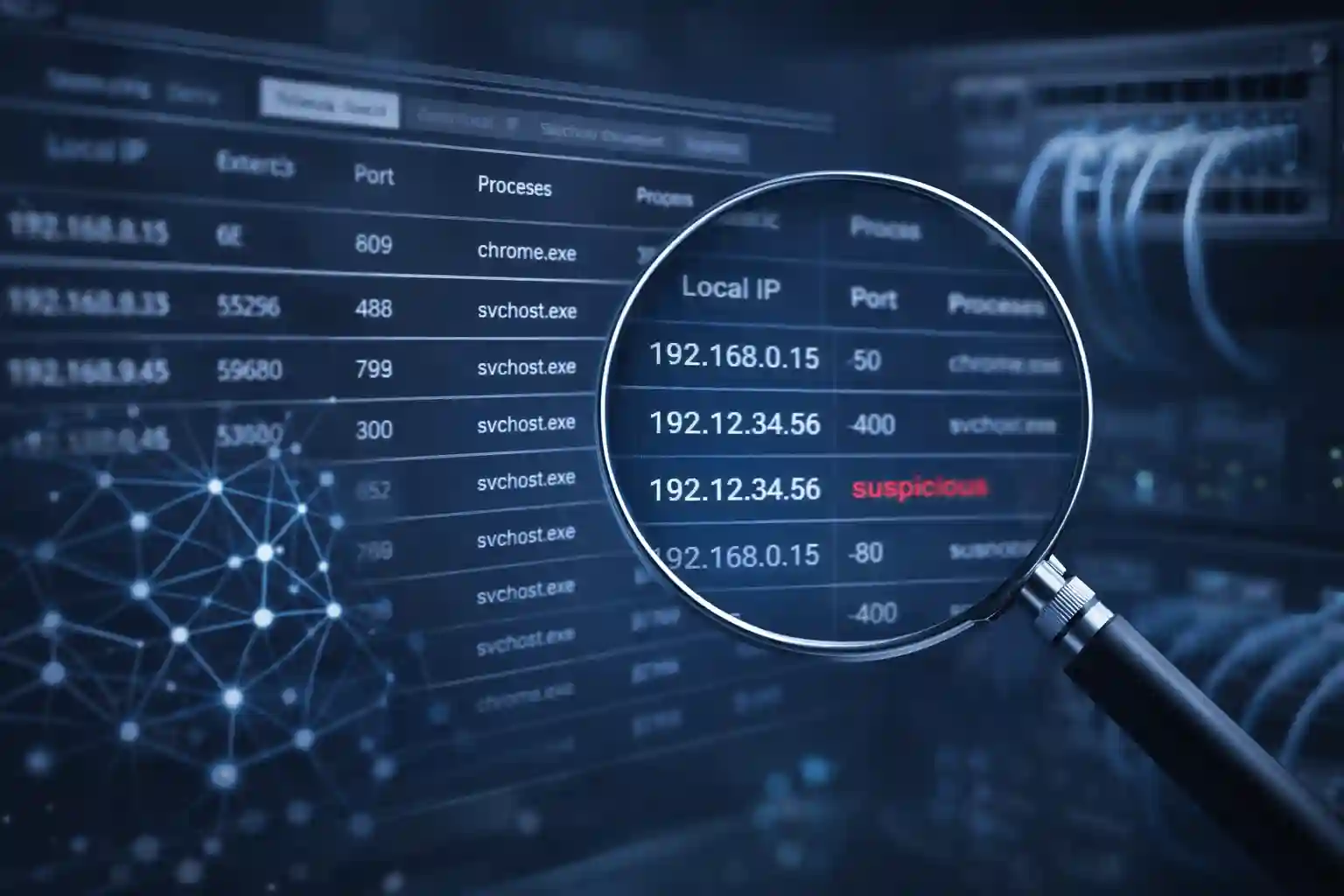
The investigation began where the malware revealed itself first - the network. RapiDFIR pulled every active connection from the compromised system. Inside the TCP table, a suspicious external IP. Attached to it: a process that had no business being there. The first thread, pulled.
RapiDFIR vs Muddywater

File Triage

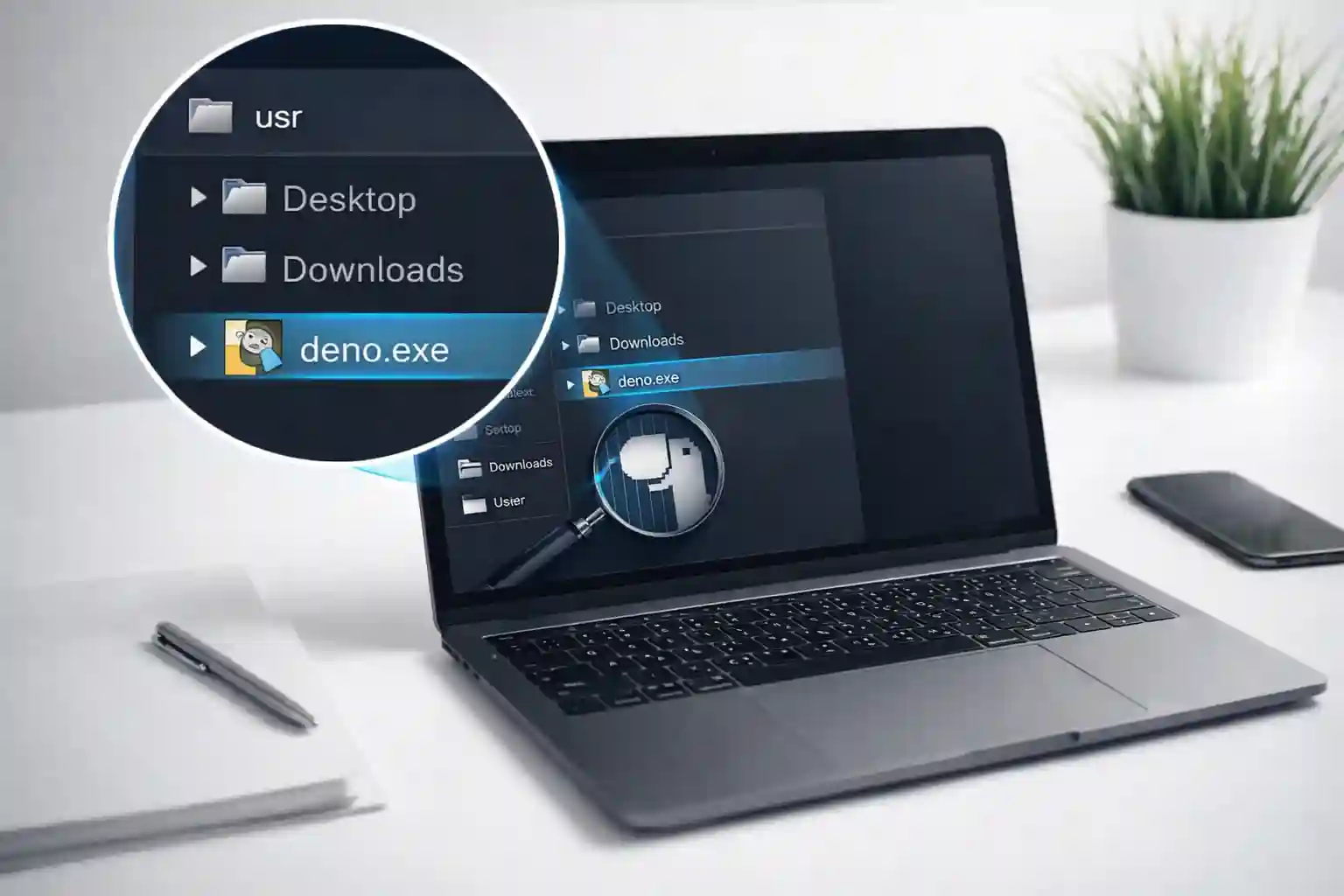
Following the process back to its source, the team used RapiDFIR's File Structure Triage to examine the directory in question. Dindoor had hidden deno.exe, a JavaScript runtime, inside a user folder, weaponizing a trusted developer tool as its cover.
RapiDFIR vs Seedworm

Persistence Triage

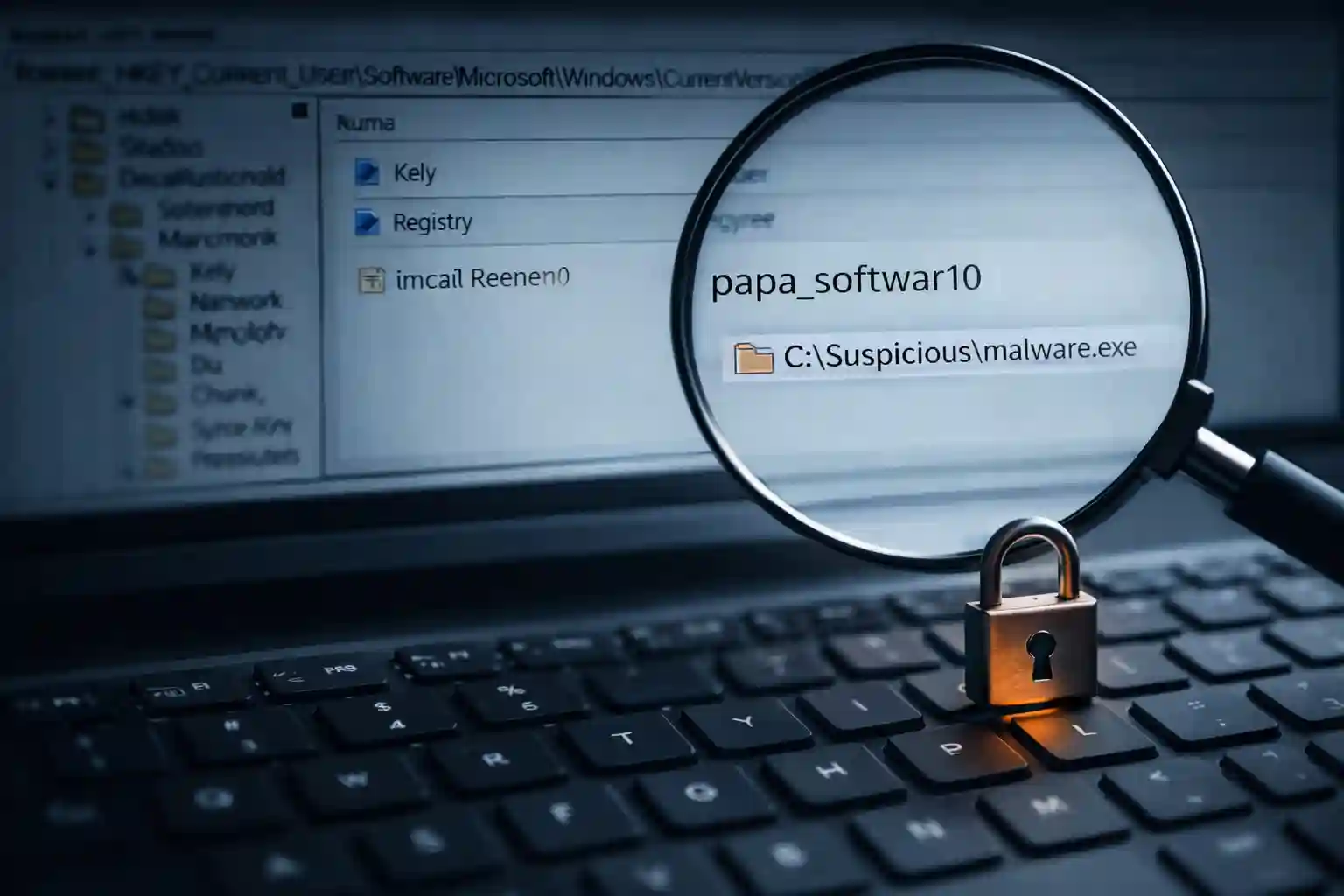
A capable attacker doesn't just get in, they make sure they stay in. RapiDFIR's Persistence Triage scanned the Windows registry and found it: a RUN key named papa_software10, pointing to a suspicious folder, guaranteeing the malware would restart with every system boot.

RapiDFIR vs Dindoor MITRE Frameword

MITRE ATT&CK Mapping

RapiDFIR triaged the full Windows Event Log and mapped every finding against the MITRE ATT&CK framework, the global standard for cyberattack analysis. The complete kill chain emerged across five stages: Resource Development, Execution, Persistence, Command & Control, and Exfiltration.

YARA Scanning

YARA Scan & Link Analysis

With the kill chain confirmed, RapiDFIR ran a YARA-based malware sweep, surfacing the original MSI installer that delivered Dindoor onto the system. The final step: Link Analysis. Every IP address, file, registry entry, and executable; mapped as a single, interconnected network.

What This Means For Your Organization

Here’s the question every organization needs to sit with. When a threat like this gets in, will you be able to trace the digital trail it leaves behind?

Trace it. Understand it. Contain it. Before it’s too late.

RapiDFIR lets you investigate compromised systems remotely, no physical access, no delays.

See What Your Current Tools Might Be Missing

Our Customers